Red Lobster Allergen Menu: Food Allergy Guide (2027)
Red Lobster Allergen Menu: Food Allergy Guide (2027)

Eating at a seafood restaurant can be challenging for people with food allergies. Ingredients such as shrimp, lobster, crab, fish, dairy, wheat, eggs, and soy may appear in different dishes, sauces, seasonings, and side items.
The Red Lobster Allergen Menu helps customers understand common allergens in menu items and make more informed dining decisions. Red Lobster provides an official Allergy Guide for its US restaurants, which customers can review before placing an order.
In this guide, we cover common allergens, seafood allergy considerations, gluten and dairy information, menu items to check, and helpful tips for ordering safely at Red Lobster.
Does Red Lobster Have an Allergen Menu?
Yes. Red Lobster provides an official Allergy Guide to help customers identify common allergens in its menu items. The guide covers allergen categories such as:
- Peanuts
- Tree nuts
- Soy
- Eggs
- Milk and dairy
- Wheat
- Fish
- Crustacean shellfish
- Molluscan shellfish
- Gluten
- Sulfites
The guide is useful for customers who want to review ingredients before visiting a restaurant.
However, an allergen chart cannot guarantee that a meal is completely free from cross-contact. Red Lobster prepares food in shared kitchen environments, so customers with serious allergies should discuss their needs directly with restaurant staff.
Red Lobster Common Food Allergens
Understanding common food allergens is an important part of choosing a restaurant meal. Here are the main allergen categories to consider when reviewing the Red Lobster menu.

1. Shellfish Allergens
Shellfish is one of the most important allergy considerations at Red Lobster because seafood is a major part of its menu. Shellfish is generally divided into two categories.
Crustacean shellfish:
- Shrimp
- Lobster
- Crab
Molluscan shellfish:
- Clams
- Mussels
- Oysters
- Scallops

These ingredients may appear in seafood appetizers, combination meals, pasta dishes, seafood boils, and specialty entrees.
Customers with shellfish allergies should also consider cross-contact from shared cooking equipment, utensils, preparation surfaces, and food handling.
2. Fish Allergens
Fish is another important allergen category. Common fish varieties served in seafood restaurants include salmon and cod, along with other featured or seasonal selections.
Fish ingredients may also appear in sauces, seafood combinations, and prepared dishes. Customers with fish allergies should check the complete ingredient information instead of relying only on the visible ingredients in a meal.
3. Dairy Allergens
Dairy ingredients may appear in several restaurant foods, including:
- Butter sauces
- Cheese toppings
- Cream-based soups
- Biscuits
- Mashed potatoes
- Pasta sauces
- Certain desserts

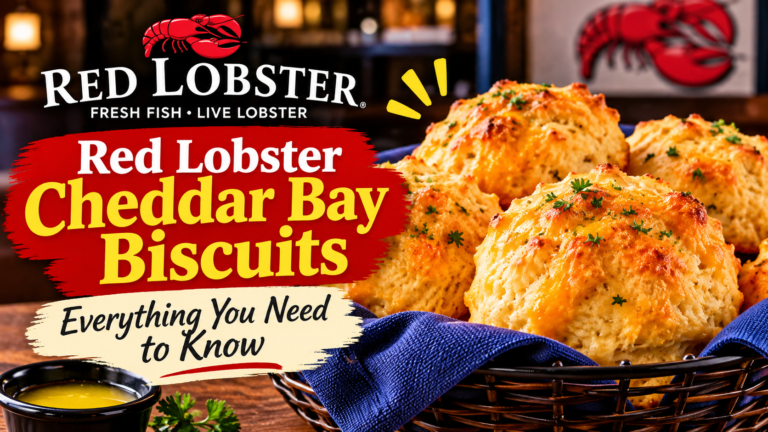
Red Lobster’s Cheddar Bay Biscuits are an example of a popular item that customers with milk allergies should review carefully. Always check the ingredients in the main dish, sauces, toppings, and included sides.
4. Wheat and Gluten
Wheat and gluten are important considerations for customers with wheat allergies, celiac disease, or gluten sensitivity. Potential sources include:
- Bread and biscuits
- Fried seafood coatings
- Pasta
- Breaded appetizers
- Flour-based sauces
- Certain desserts
Breaded shrimp, fried fish, and biscuits are examples of foods that require ingredient checks. A dish without obvious bread or pasta is not automatically gluten-free. Shared preparation surfaces and fryers may also create cross-contact risks.
5. Egg Allergens
Egg ingredients may be found in:
- Mayonnaise-based sauces
- Certain salad dressings
- Breading mixtures
- Some desserts
- Prepared appetizers
Eggs may also be used as binding ingredients in coatings and other prepared foods. Customers with egg allergies should review the full ingredient information for their selected meal.
6. Soy Allergens
Soy may appear in sauces, marinades, dressings, and prepared ingredients.
Red Lobster’s allergen information has also identified highly refined soybean oil in the oil blend used for fried items. Under US FDA regulations, highly refined soybean oil is exempt from major food allergen labeling requirements.
Customers with soy allergies should discuss their specific needs with restaurant staff rather than relying only on a standard allergen chart.
7. Peanut and Tree Nut Allergens
Peanuts and tree nuts are separate allergen categories. Although seafood is the primary focus of Red Lobster’s menu, customers should still review ingredient information for sauces, toppings, desserts, and specialty preparations.
Recipes and ingredients can vary, so always check the latest allergen guide.
8. Sulfites
Sulfites are another allergen-related category included in Red Lobster’s allergen documentation. They may be used in certain prepared foods and ingredients as preservatives or for other food-processing purposes.
Customers with sulfite sensitivity should review the official information and ask restaurant staff about specific dishes, sauces, and sides.
Red Lobster Menu Items to Check for Allergens

Different menu categories may contain different combinations of ingredients. The following table provides examples of foods and ingredients worth checking.
| Menu Category | Examples | Allergens to Check |
|---|---|---|
| Starters | Coconut Shrimp, Shrimp Cocktail | Shellfish, wheat, sauces |
| Soups | Clam Chowder, Lobster Bisque | Dairy, wheat, seafood |
| Seafood Entrees | Salmon, Lobster, Shrimp | Fish, shellfish, butter |
| Pasta | Seafood Linguini | Wheat, dairy, shellfish |
| Biscuits | Cheddar Bay Biscuits | Dairy, wheat |
| Salads | Caesar Salad, House Salad | Dressings, cheese, croutons |
| Desserts | Cakes, Cheesecake | Dairy, eggs, wheat |
How to Find the Official Red Lobster Allergen Menu
The easiest way to find current allergen information is through Red Lobster’s official website. Follow these steps:
- Visit the official Red Lobster website.
- Open the Menu section.
- Find the Allergy Guide link.
- Open the latest available allergen document.
- Search for your selected menu item.
- Review the listed allergens and preparation warnings.
- Contact your local restaurant if you need additional details.
You can access the official website here: Red Lobster Official Menu and Allergy Guide
Always check the effective date of the document because older allergen guides may not reflect current recipes or ingredients.
Understanding the Red Lobster Allergen Guide
An allergen guide helps customers review ingredient information for individual menu items. When using the guide, pay attention to:
- Whether an allergen is specifically listed for the selected item.
- Whether sauces and toppings have separate ingredient information.
- Whether the item has preparation-related cross-contact warnings.
- Whether the document includes regional or seasonal menu variations.
A blank field should not be treated as a guarantee that a food is completely allergen-free. Shared equipment, utensils, cooking surfaces, and food handling can create risks even when an ingredient is not intentionally included in a recipe.
Can You Eat at Red Lobster With a Food Allergy?
Whether someone with a food allergy can dine at Red Lobster depends on the allergy, its severity, and the restaurant’s ability to accommodate the request. Customers should never assume that a particular menu item is safe simply because it does not visibly contain an allergen.
Tips for Customers With Food Allergies
1. Review the allergen guide before visiting
Check the official document before arriving so you understand which ingredients require attention.
2. Inform your server immediately
Explain your food allergy before placing your order.
3. Ask about sauces and toppings
A seafood dish may appear suitable, but its sauce, seasoning, dressing, or side dish may contain an allergen.
4. Ask about shared cooking equipment
Find out whether shared fryers, grills, utensils, or preparation surfaces could create cross-contact risks.
5. Speak with a manager if necessary
For severe allergies or unclear preparation details, request assistance from a restaurant manager.
6. Do not assume removing an ingredient makes a meal safe
Removing cheese, breading, shrimp, or another visible ingredient does not necessarily eliminate allergens from sauces or shared cooking equipment.
7. Follow your personal allergy action plan
Customers with serious allergies should follow their healthcare professional’s advice and carry prescribed emergency medication when recommended.
Red Lobster Gluten-Free and Dairy-Free Considerations
Customers following special diets often search for gluten-free and dairy-free options at Red Lobster. However, a dish that does not list a particular ingredient is not automatically certified allergen-free.
Gluten-Free Considerations
Customers avoiding gluten should investigate:
- Breaded seafood
- Pasta dishes
- Cheddar Bay Biscuits
- Fried appetizers
- Soups and sauces
- Shared fryer practices
Ask whether the selected meal contains wheat or gluten and whether separate preparation equipment is available. For people with celiac disease, cross-contact prevention is particularly important.
Dairy-Free Considerations
Customers avoiding dairy should review:
- Butter-based seafood preparations
- Cheese toppings
- Cream soups
- Mashed potatoes
- Biscuits
- Salad dressings
- Dessert ingredients
A seafood dish may still include butter or dairy-based seasoning even if it does not visibly contain cheese or cream. Ask about the complete preparation process before ordering.
Does Red Lobster Have a Separate Kitchen for Food Allergies?
Customers should not assume that Red Lobster has a dedicated allergen-free kitchen. The restaurant’s allergen documentation explains that food is handcrafted and shared kitchen and preparation areas can create cross-contact risks.
This means that even when a menu item does not list a particular allergen, accidental contact may still occur during preparation.
If you have a serious allergy, ask the restaurant whether it can accommodate your specific requirements. If staff cannot confidently explain the preparation process, choosing not to order may be the safer decision.
Questions to Ask Your Red Lobster Server

Before ordering, customers with food allergies can ask:
- Does this dish contain my specific allergen?
- Are any sauces, marinades, or seasonings made with this ingredient?
- Do the included side dishes contain the allergen?
- Is this meal prepared using shared cooking equipment?
- Are the same fryers used for breaded seafood and other foods?
- Can the kitchen use clean utensils and preparation surfaces?
- Can a manager confirm the ingredients and preparation procedure?
Clear communication is essential. Restaurant employees can provide information about current menu ingredients and preparation practices, but they cannot necessarily guarantee an allergen-free meal.
Red Lobster Allergen Menu FAQs
1. Does Red Lobster have an allergen menu?
Yes. Red Lobster provides an official Allergy Guide for its US restaurants. Customers can use it to review common allergens and preparation-related warnings before ordering.
2. Does Red Lobster have a shellfish-free menu?
Red Lobster is a seafood restaurant, and many menu items contain shrimp, lobster, crab, clams, mussels, or other seafood. Shared preparation areas can also create cross-contact risks. Customers with shellfish allergies should consult their allergist and contact the restaurant before dining.
3. Are Red Lobster Cheddar Bay Biscuits allergen-friendly?
Cheddar Bay Biscuits should be checked carefully because they contain ingredients associated with wheat and dairy. Customers with these allergies should review the latest allergen information.
4. Does Red Lobster offer gluten-free food?
Some menu items may not list gluten-containing ingredients in the allergen guide. However, this does not automatically make them certified gluten-free or suitable for people with celiac disease.
5. Can people with dairy allergies eat at Red Lobster?
It depends on the ingredients and preparation of the selected meal. Butter, cheese, cream, sauces, and dressings may contain dairy. Customers should confirm ingredients with restaurant staff.
6. Does Red Lobster use soybean oil?
Red Lobster’s published allergen information has identified highly refined soybean oil in the oil blend used for fried items. Customers with soy allergies should discuss their specific needs with restaurant staff.
7. Are Red Lobster fries safe for people with food allergies?
Do not assume that fries or other fried foods are safe. Their ingredients, seasoning, oil, and shared fryer practices should all be checked.
8. Can I request an allergy-friendly meal at Red Lobster?
You can inform your server about your allergy and ask whether the kitchen can accommodate your requirements. However, the restaurant does not guarantee that every menu item will be completely free from allergen cross-contact.
9. Where can I find the latest Red Lobster allergen information?
Visit the official Red Lobster menu page and open its Allergy Guide. Check the document’s effective date to make sure you are using the latest available information.
10. Does Red Lobster list allergens in sauces and side dishes?
The allergen guide may provide separate information for menu items, sides, dressings, and dipping sauces. Review the complete meal rather than checking only the main entree.
Final Thoughts
The Red Lobster Allergen Menu is a useful resource for customers who want to understand food ingredients and potential allergy risks before dining.
From shellfish and fish to dairy, wheat, eggs, soy, and nuts, several common allergens may appear in seafood dishes, sauces, appetizers, and side items.
The most important steps are to review the latest official Allergy Guide, communicate clearly with restaurant staff, and ask about shared preparation equipment.
Because shared kitchen areas can create allergen cross-contact risks, Red Lobster cannot guarantee that every menu item is completely free of allergens.
If you have a serious food allergy, always prioritize your health and follow the guidance of your healthcare professional before deciding where and what to eat.
For more information about menu items, prices, and nutrition, explore The Red Lobster Menu and check the latest restaurant information before placing your order.